




Most of us can recite Psalm 23 by heart. We find comfort in the “green pastures” and the “still waters.” But have you ever stopped to consider the perspective of the man who wrote it? David wasn’t just writing poetry; he was watching his sheep. As he sat on a hillside, watching them graze and rest, a profound realization hit him: The Lord loves me with as much intent and care as I love these sheep.
This is the heartbeat of our faith—the relationship between a Shepherd who provides and a sheep who trusts. Yet, so often, we find ourselves stuck. we pray for breakthrough, we ask for “daily bread,” and we wonder why the heavens seem silent.
The tension many of us feel today isn’t a lack of God’s provision; it’s often a blockage in our own hearts. We are invited to a table of abundance, but we are holding onto weights that keep us from sitting down. To truly embrace the “God-life,” we must learn the transformative power of letting go.
The Heart of the Shepherd: Relationship Before Provision
We often rush to the “I shall not lack” part of Psalm 23, focusing purely on what God can give us. But David’s revelation was rooted in relationship. He saw the intent behind the care. God doesn’t just provide because He is a cosmic vending machine; He provides because He is a loving Shepherd who “makes us lie down.”
In Mark 11:24, Jesus gives us an incredible promise: “Whatever you ask for in prayer, believe that it will be granted to you.” The Amplified version adds a vital nuance: we are to have faith constantly.
Faith isn’t a momentary surge of adrenaline; it is a consistent leaning into the Shepherd’s character. However, Jesus immediately follows this promise with a condition that many of us try to skip: “And whenever you stand praying, if you have anything against anyone, forgive him, let it drop…” (Mark 11:25).
The “Sheep” vs. The “Goat” Diet
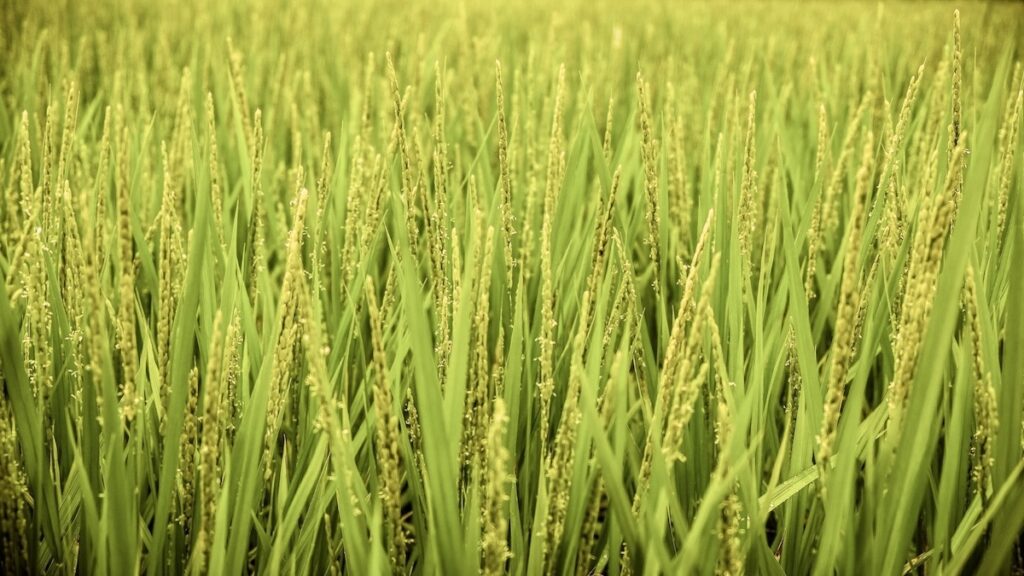
There is a striking difference in how sheep and goats eat. A farmer once shared that he plants a rich mixture for his sheep: Italian ryegrass, clover, oats, and lucern. When sheep are in that pasture, they thrive on the goodness provided by the farmer.
Goats, however, are different. You can give a goat a lush field, and you’ll still find him on top of a thorn tree. You’ll find him with his head in the dust, eating paper or blackjacks.
Spiritually, we often act like goats. God has provided a “pasture” of peace, presence, and promise, yet we find ourselves:
- Nibbling on the “paper trash” of gossip.
- Chewing on the “tin cans” of resentment.
- Munching on the “thorns” of anger.
When we hold onto hardness of heart, we are essentially choosing to eat from the trash can when the King has prepared a banquet. Ezekiel 34 tells us that God intends to separate the sheep from the goats. Often, that “separating” happens under pressure. It’s not the pressure that makes us “goats”; the pressure simply reveals the fear and resentment we haven’t yet let go of.
Forgiveness: The Golden Archway
Forgiveness is not just a moral duty; it is a “golden archway” into the fullness of God’s Kingdom. When we refuse to forgive, we are trying to protect ourselves from pain. We think that by holding onto resentment, we are guarding our hearts. In reality, we are imprisoning them.
As we pray, “Give us this day our daily bread,” we must immediately follow it with, “and forgive us our debts, as we also have forgiven our debtors.” Provision and forgiveness are linked. Why? Because you cannot fully receive the “bread” of God’s presence while your hands are clenched tight around an old hurt. To receive the new thing God is doing, you have to “let it drop.”
Practical Steps to Letting Go
How do we move from the thorn tree of resentment back to the green pastures of peace?
- Identify the “Goat Food”: Ask the Holy Spirit to show you where you have been “eating trash.” Is it a grudge against a coworker? Is it a disappointment with God that has turned into coldness?
- Take Responsibility, Not Just Blame: It is easy to apportion blame. It is harder—and more healing—to take responsibility for the state of your own heart.
- The Prophetic Act of Dropping: Sometimes you need to physically open your hands and say, “Lord, I let this go. I drop the disappointment. I release the debt.”
- Embrace the New Covenant: Remember that at the Communion table, Jesus didn’t just offer bread; He offered a “New Covenant.” This means your failures of the past are washed in the blood, allowing you to look forward to the “sure victory” of the Kingdom.
A Promise of Showers
The Lord promises in Ezekiel 34:26, “I will cause the showers to come down in their season; there will be showers of blessing.” God’s favor is “insured.” When we stop trying to be our own protectors and return to being “good sheep,” we position ourselves under the downpour of His goodness. This church, this community, and your family can become a “hill of blessing” when we decide to live in the reality of His Kingdom rather than the reality of our wounds.
Conclusion: Coming to the Table
The invitation this morning is simple: Embrace the God-life. Really embrace it. Don’t just nibble at the edges of His grace. Step into the center of the field. If you’ve been struggling with unanswered prayer or a sense of spiritual dryness, check your hands. Are you holding onto a “tin can” of resentment?
Let it drop. The Shepherd is calling you to a better pasture. There is a table prepared for you, and it’s time to eat the “Italian ryegrass” of His presence instead of the thorns of the past.
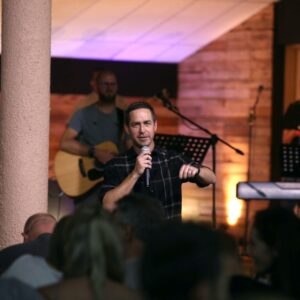
- Watch the full message here (Link to the Sunday message on YouTube)
- Read Psalm 23 on BibleGateway